In the demanding landscape of secondary education, students often face the challenge of balancing academic commitments with extracurricular pursuits, such as Chinese language tuition o level chinese tuition. This article explores strategies for effectively managing schoolwork alongside additional language studies.
Highlighting the importance of setting priorities, utilizing study techniques, maintaining open communication with educators and parents, as well as prioritizing self-care for holistic well-being. Empowering secondary students with these tools can lead to a harmonious blend of academic success and personal growth.
Setting Priorities and Time Management
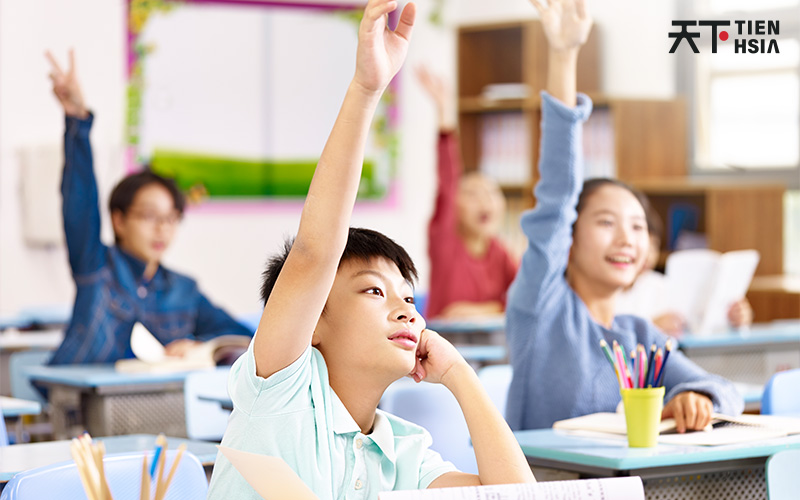
Effective prioritization and time management are essential skills for secondary students juggling schoolwork and Chinese tuition. By setting priorities, students can focus on tasks that hold the most significance, ensuring that crucial assignments are completed on time. Time management allows for the efficient allocation of time to various activities, preventing last-minute rushes and reducing stress levels.
To excel academically while attending Chinese tuition yanzi mandarin, students must learn to balance their workload effectively. Creating a schedule or to-do list can aid in organizing tasks and allocating time appropriately. Additionally, utilizing tools such as timers or productivity apps can help students stay on track and meet deadlines.
Ultimately, mastering prioritization and time management empowers students to take control of their responsibilities and achieve academic success.
Effective Study Techniques for Chinese
To achieve a high level of proficiency in Chinese language studies alongside their academic workload, secondary students should implement specific study techniques tailored to enhance their learning experience.
Firstly, establishing a consistent study schedule can help students allocate dedicated time for Chinese learning. Utilizing flashcards for vocabulary memorization and practicing writing characters regularly can enhance retention. Reading Chinese texts, listening to Mandarin podcasts or music, and watching Chinese shows can improve language comprehension and fluency.
Engaging in conversation with peers or joining language exchange programs can enhance speaking skills. Additionally, seeking feedback from teachers or tutors and revising regularly can reinforce learning.
Communication With Teachers and Parents
Communication with teachers and parents plays a crucial role in supporting secondary students as they navigate the demands of balancing schoolwork and Chinese tuition.
Regular communication allows teachers to provide targeted academic support, offer feedback on progress, and address any challenges faced by students. Additionally, parents can stay informed about their child’s academic performance, offer encouragement, and collaborate with teachers to ensure the student’s well-being.
By fostering open lines of communication, students can receive holistic support that integrates their schoolwork and Chinese tuition effectively. This collaboration creates a supportive environment where students feel empowered to manage their responsibilities while excelling academically.
Therefore, maintaining transparent communication channels with teachers and parents is essential for the success of secondary students juggling multiple academic commitments.
Balancing Extracurricular Activities
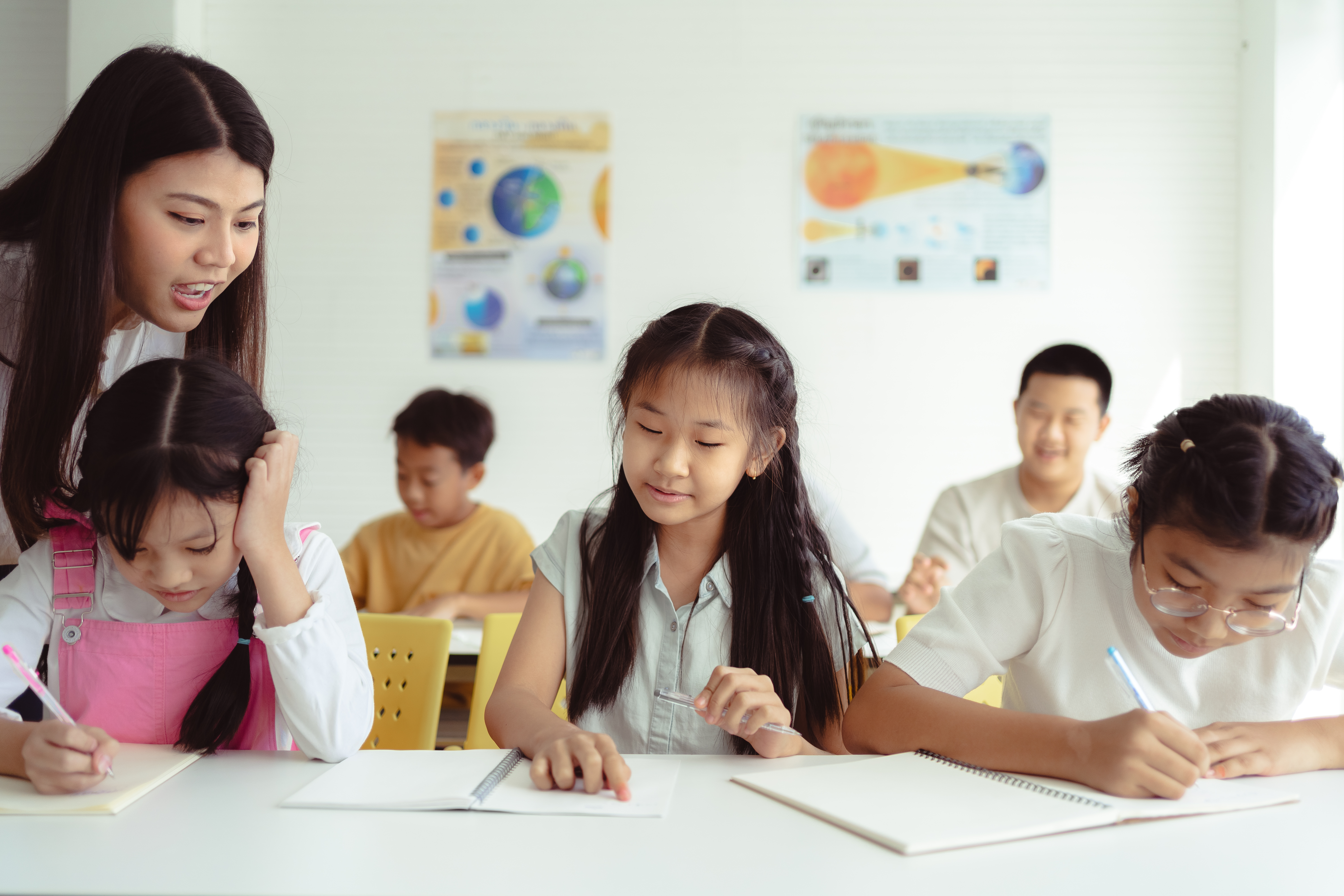
Balancing extracurricular commitments alongside academic responsibilities is a crucial aspect of a secondary student’s holistic development. While academics are essential, extracurricular activities play a vital role in fostering well-rounded individuals. However, finding the right balance can be challenging. Students must prioritize their commitments, ensuring they have enough time for both academics and extracurriculars.
Effective time management is key to success in this endeavor. It is important for students to choose activities that they are passionate about and that contribute to their personal growth. By participating in extracurricular activities, students can develop important life skills, such as teamwork, leadership, and time management, that will benefit them beyond their academic pursuits.
Balancing both worlds allows students to explore their interests, build a diverse skill set, and enjoy a holistic educational experience.
Self-Care and Mental Well-Being
Transitioning from balancing extracurricular activities to focusing on self-care and mental well-being is essential for a secondary student’s holistic development. As academic pressures mount, it’s crucial for students to prioritize their mental health.
Implementing self-care practices like mindfulness, exercise, and sufficient sleep can enhance overall well-being. Taking time to unwind, pursue hobbies, or simply relax is not a luxury but a necessity for maintaining a healthy mind. Seeking help from counselors or trusted individuals is encouraged if feelings of stress or anxiety become overwhelming.
Emphasizing mental well-being alongside academic pursuits creates a balanced approach to education and personal growth. Remember, caring for your mental health is not a sign of weakness but a step towards a more fulfilling and successful future.
Conclusion
In conclusion, secondary students must prioritize their schoolwork and Chinese tuition while effectively managing their time.
Utilizing study techniques for Chinese, communicating with teachers and parents, balancing extracurricular activities, and prioritizing self-care and mental well-being are essential for success.
By following these strategies, students can achieve a harmonious balance between their academic responsibilities and personal well-being.